Is a Pilates Studio Profitable in Mexico in 2026?
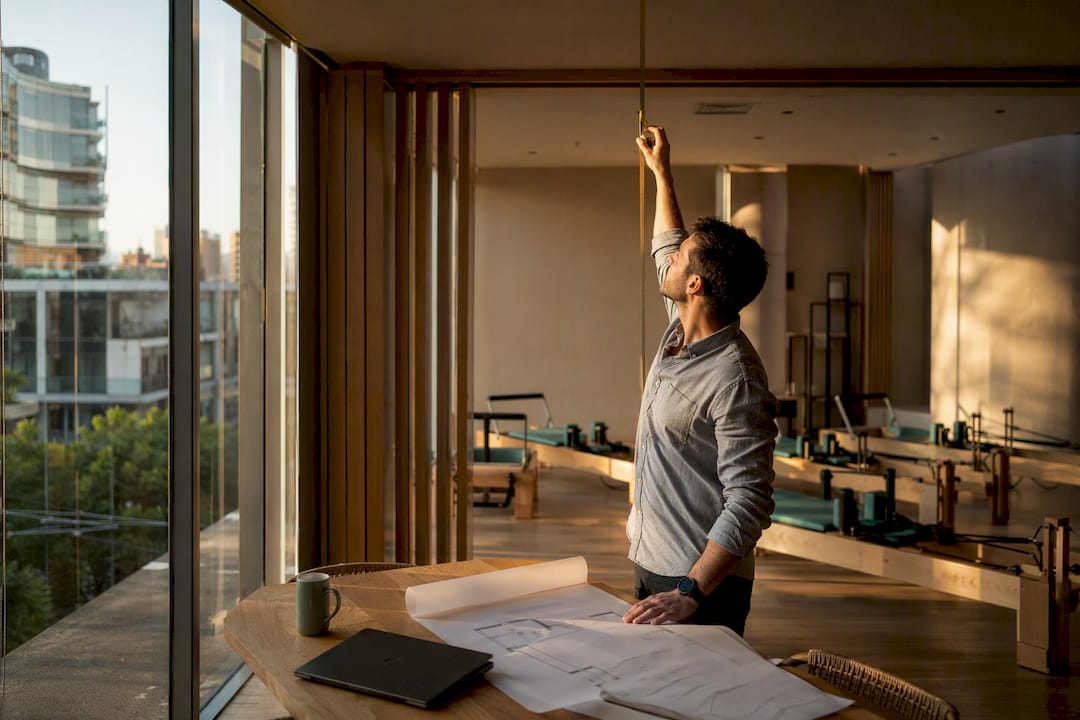
Is a Pilates Studio Profitable in Mexico in 2026?
Yes: a Pilates studio can be profitable in Mexico if you control three variables from day one: initial investment, reformer occupancy, and payroll-to-revenue ratio. A Pilates studio's profitability doesn't depend on luck or the neighborhood where you open; it depends on the arithmetic you calculate before signing the lease agreement.
With a realistic initial investment, according to the chosen business model, a well-planned studio typically reaches its break-even point within a timeframe that can vary depending on pre-opening client acquisition and other factors.
Three factors determine whether your studio will be profitable or merely survive:
- Location and Rent: an expensive location in the right area yields more than a cheap one in the wrong area.
- Occupancy and Retention: filling empty reformers is more urgent than opening more studios.
- Cost Structure and Staff: uncontrolled payroll is the number one reason studios close before their first year.
Key Points
| Point | Details |
|---|---|
| Realistic initial investment | Budget between $200,000 and $500,000 MXN depending on the chosen mat, reformer, or hybrid model. |
| Minimum occupancy target | Aim for 70% occupancy to sustain the break-even point within 6 to 12 months. |
| Payroll under control | Keep staff costs at an appropriate ratio to total revenue to protect the margin. |
| Client acquisition before opening | A pre-opening waitlist reduces the time to break-even from 12–24 months to just 2–6 months. |
| Equipment with financing | Reformer packages and direct financing from Pilates de México reduce the barrier to entry and accelerate profitability. |
Table of Contents
- Breakdown of the Initial Investment: Location, Equipment, and Working Capital
- Pilates Mat, Reformer, or Hybrid Model: Which is More Profitable?
- Revenue Projection: How Much Can Your Studio Earn Based on Occupancy?
- Legal and Tax Requirements That Impact Your Profitability
- How to Fill Classes from Day One?
- How to Choose the Right Equipment and Finance It Without Drowning Your Cash Flow
- What Most People Underestimate When Opening a Studio
- Equipment and Financing with Pilates de México
- Sources
- Frequently Asked Questions
Breakdown of the Initial Investment: Location, Equipment, and Working Capital
The range of $200,000 to $500,000 MXN reported by specialized guides for opening studios is not arbitrary: it reflects the difference between setting up a mat room with mats and bands, and equipping a complete reformer room. A pure mat studio can open near the lower end. One with four or six reformers, a tower, and a chair pushes the budget toward the higher end, but also allows for charging higher class fees.
The variation also depends on the city. A space in a high-value neighborhood in Mexico City or Monterrey demands more expensive deposits and renovations than one in a medium-sized city like Aguascalientes or Querétaro, where commercial rent is usually considerably lower.
You don't need to buy the entire catalog on day one. Many studios open with two or three reformers and expand as the waitlist grows, a strategy that reduces risk without sacrificing the student experience.
Reserving cash for the first three to six months is not optional: it's the difference between weathering a slow start and closing due to lack of liquidity before the clientele matures.
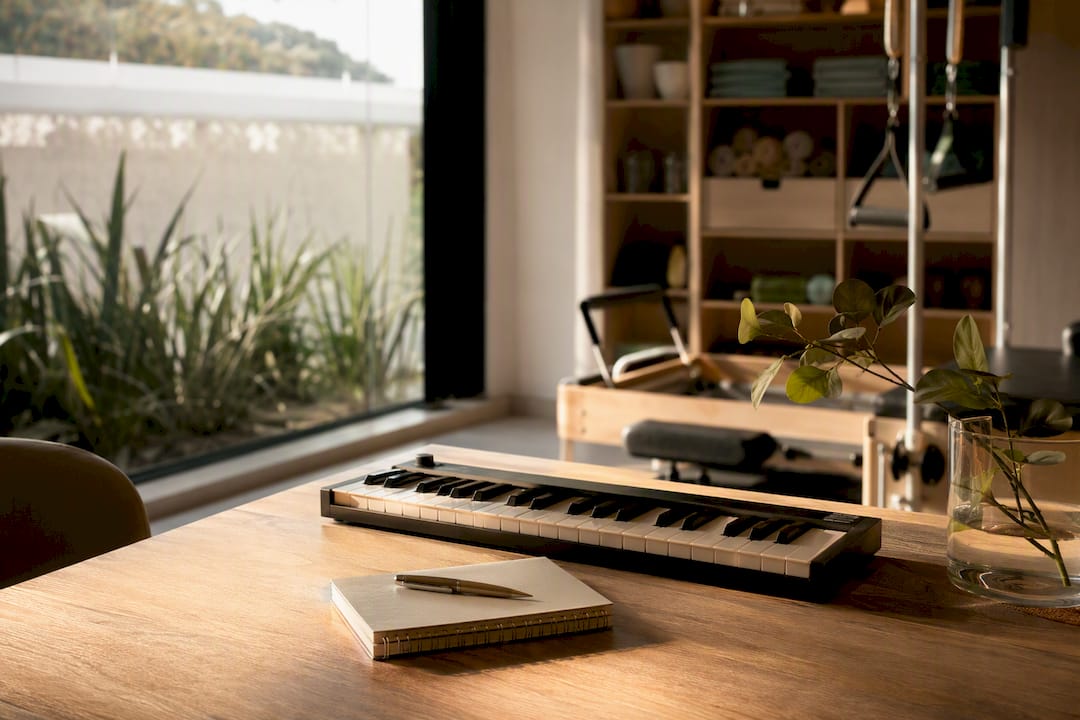
Pro tip: negotiate equipment packages with direct supplier financing instead of depleting your capital by buying everything upfront; this preserves working capital for the marketing that truly fills your first classes.
Pilates Mat, Reformer, or Hybrid Model: Which is More Profitable?
The mat model requires the least investment and lowest fixed costs, but it also limits how much you can charge per class compared to a market where the reformer is already perceived as the premium standard. The reformer model requires more capital per station, but each session generates higher hourly revenue because the client pays for specialized equipment and an experience they cannot replicate at home. The hybrid model, which combines mat studios with reformer stations and private sessions, is usually the one that best balances investment and profitability for those just starting out.
Before deciding, review these points:
- Target client profile: Are they looking for affordable group classes or premium personalized training?
- Initial budget available without compromising your working capital.
- Actual occupancy capacity of the premises based on square meters.
- Expected margin per class type (group, semi-private, private).
In large cities, with a higher density of clientele willing to pay premium rates, the pure reformer model usually yields returns faster. In medium-sized cities, a hybrid model that starts with mat and adds reformers in stages reduces risk without sacrificing growth potential.
Revenue Projection: How Much Can Your Studio Earn Based on Occupancy?
Profitability depends on a simple formula: price per class multiplied by occupancy, minus variable and fixed costs. A studio with six reformer stations, an average price per class, and high occupancy generates a very different revenue stream than one with low occupancy.

These ranges coincide with what Pilates studio profitability analyses report: the time to break-even ranges from 2 to 6 months when there is a waiting list prior to opening, and extends to 12 or 24 months when customer acquisition starts from scratch.
To calculate how many students you need each month, divide your total fixed costs by the average price per class multiplied by the weekly attendance frequency. That number, compared to the physical capacity of your studio, tells you if your occupancy goal is realistic or if you need to adjust prices.
In a realistic scenario, each well-occupied reformer station contributes between $18,000 and $25,000 MXN monthly, as shown by business plan models for Pilates studios.
Legal and Tax Requirements Affecting Your Profitability
Before opening, you must register your business with the SAT, either as an individual with business activity or as a legal entity, depending on the size and projections of your studio. This decision directly affects your tax regime and your invoicing obligations from the first month.
- Verify land use and municipal permits before signing the lease agreement, not afterward.
- Purchase liability insurance that covers client injuries during classes.
- Consider equipment damage insurance, especially if you invested in high-end reformers.
- Budget for accounting advice as a fixed monthly expense, not an unforeseen cost.
Professional tip: Hire tax advice from month one, not when your first declaration is due. An accountant who understands the wellness services regime will save you fines and help you plan the tax burden within your cash flow projection.
How to Fill Classes from Day One?
Opening with an empty studio is the most expensive mistake you can make. Before grand opening, build a waiting list with free trial classes, partnerships with nearby gyms, and active presence on social media targeted to your area.
- Offer open classes and limited pre-launch discounts to the first registrants.
- Partner with physiotherapy clinics and local gyms that do not offer reformers.
- Use an online booking platform from day one to reduce cancellations.
- Appear in local Google searches with updated schedules and location.
Aim for a reasonable occupancy rate as an operational goal to sustain the break-even point, as recommended by specialized business plans for boutique studios. Also monitor your month-over-month retention and the cost of customer acquisition: a studio with good retention spends less on recurring marketing than one that relies on new clients every month.
How to Choose the Right Equipment and Finance It Without Drowning Your Cash Flow
The cost per station is not just the sticker price of the reformer. It includes durability, warranty, and availability of technical service in Mexico—three variables that determine how long it will be before you have to replace or repair equipment. The certified Lyptus® FAS wood and stainless steel hardware used in the MetaLife Infinity line are built to withstand daily classes for years, which weighs more heavily on your medium-term profitability than a lower initial price.
There are three ways to finance equipment: cash payment, direct provider financing, or phased purchasing starting with a mini-package of two or three stations. Cash payment retains less working capital but eliminates interest; direct financing frees up cash for marketing and payroll during the critical startup months.
- An initial mini-package of two reformers costs less and allows you to validate demand before scaling.
- A full studio with six to eight stations requires a larger investment but accelerates hourly revenue.
Pro tip: negotiate the equipment package along with installation and staff training in a single agreement. This reduces the time between delivery and the first paid class, which is precisely the time you are not generating revenue.
What Most People Underestimate When Opening a Studio
The financial side of a Pilates studio is less glamorous than space design, but it’s what determines whether you survive the second year. Cost structure matters more than the perfect equipment: I’ve seen projects with excellent reformers fail due to poorly calculated payroll, and studios with modest equipment sustain themselves thanks to a well-developed waiting list before opening.
Measure your progress in three-month blocks during the first year.
Equipment and Financing with Pilates de México
Pilates de México is the alternative to buying equipment blindly: instead of guessing how many reformers you need or negotiating separately with distributors, a single point of contact provides you with equipment, installation package, training, and direct financing under one agreement.
If you are defining your business model, we have two routes depending on your starting point. For studios launching with a tight budget, our studio packages allow you to start with a few stations and grow in stages without depleting your capital. For those seeking maximum durability and long-term resale value, the premium MetaLife line is built with certified Lyptus® FAS wood designed for years of daily classes without losing performance. We also offer instructor certification, because excellent equipment alone won't fill classes without trained staff.
Sources
- How much does it cost to open a Pilates studio in Mexico?
- Pilates studio profitability: how long does it take to become profitable - Discla Pilates
- How to create a business plan for your Pilates studio | bsport
- How to elaborate the business plan for your Pilates studio
This article provides general information and does not substitute for the advice of a qualified financial advisor. Consult a qualified financial professional about your specific case before acting on this content.
Frequently Asked Questions
How much money do I need to open a profitable Pilates studio in Mexico? Between $200,000 and $500,000 MXN, depending on whether you opt for a mat, reformer, or hybrid model, and the size of the city where you open.
How long does it take for a Pilates studio to become profitable? With good prior customer acquisition, some studios reach break-even in 2 to 6 months; without a waiting list, the common range is between 6 and 18 months.
Which model is more profitable: mat or reformer? The reformer requires more investment but generates higher hourly revenue; the hybrid usually offers the best balance between risk and profitability for beginners.
What percentage of my income should be allocated to payroll?
Is it advisable to finance equipment instead of buying it outright? Yes, if financing allows you to preserve working capital for marketing and payroll during the critical first months of operation.