Importing Reformers to Mexico: A Real Guide to Costs and Procedures
Importing Reformers to Mexico: A Real Guide to Costs and Procedures
If you're outfitting a studio in Mexico, the safest and most efficient option is usually to buy from a local distributor with warranty and consulting. Importing on your own only makes sense if you need a specific model and can handle logistics, quality control, and wait times. The following sections break down prices, customs, and how Pilates de México fits into both approaches.
In summary:
- Importing reformers to Mexico directly from the manufacturer reduces costs, but carries risks of quality control and unpredictable delivery times if you lack experience in foreign trade.
- Buying from a local distributor offers warranty, immediate spare parts, and financing, which is recommended for a first studio or expansion, although it involves an additional cost.
- The total price of a reformer includes, in addition to the factory cost, freight charges, insurance, tariffs, VAT, and installation, adding between 20% and 40% to the initial price.
- The complete import process takes three to four months, requiring strict documentation and a pre-shipment inspection to avoid problems with defective products or fake certificates.
- Pilates de México provides quality equipment, local support, and financing options, making it advisable for those who prefer backing instead of the risks associated with self-importation.
Table of Contents
- Importing Reformers to Mexico: On Your Own or Through a Local Distributor?
- Reformer Prices in Mexico and the Real Budget
- What Customs Procedures Do I Need to Import Reformers?
- How to Verify Quality and Avoid Fake Certificates
- Checklist Before Paying: What to Ask the Supplier
- Pilates de México: Warranty, Certified Wood, and Real Support
- The List Price Never Tells the Full Story
- Start Your Studio with Equipment, Financing, and Consulting in One Place
- Sources
- Frequently Asked Questions
Importing Reformers to Mexico: On Your Own or Through a Local Distributor?
Importing reformers into Mexico directly from the manufacturer can lower the unit price, especially if you buy several units at once. The risk lies in what you don't see before the container arrives: limited quality control, certificates that aren't always what they seem, and logistics that require prior experience in foreign trade.
Buying from an established distributor in Mexico changes the calculation. You pay a premium over the factory price, but in return, you get a real warranty, readily available spare parts without weeks of waiting, and in many cases, financing and pre-arranged packages to open a studio.
The decision depends on the scenario:
- First commercial studio: it's advisable to prioritize support and warranty over initial savings, because out-of-service equipment costs clients.
- Expansion of an existing studio: here, a distributor with financing can accelerate the opening without decapitalizing the business.
- Replacement or specific part purchase: importing directly can be valid if you already know the supplier and the volume justifies the process.
- Home use or small pilot: the margin of error is smaller, so a foldable model imported via a marketplace might suffice.
Reformer Prices in Mexico and the Real Budget
Foldable reformers for home use can be found in Mexico in an approximate range of 5,200 to 25,000 pesos, depending on the finish and brand. Professional equipment, designed for daily classes over many years, requires a larger investment and almost always includes warranty and local support from day one.
Key Fact: The list price of an imported reformer is almost never the final cost. Freight, insurance, duties, VAT, and inspection can add between 20% and 40% more, depending on volume and country of origin.
When calculating your budget, include:
- Factory or list price of the equipment.
- International freight (sea freight is usually cheaper, air freight faster).
- Cargo insurance and storage at port or customs.
- Applicable duties and VAT according to the tariff code.
- Installation and initial adjustment in your studio.
When volume increases, negotiating a package with professional reformer prices in Mexico often lowers the per-unit cost more than trying to consolidate your own container.
What Customs Procedures Do I Need to Import Reformers?
Bringing reformers into Mexico without surprises requires understanding the entire supply chain, not just the factory price.
- Commercial invoice and packing list: describe the equipment, quantity, and declared value; without them, customs clearance cannot proceed.
- Bill of Lading: carrier's document certifying that the cargo departed from its origin.
- Import Declaration (Pedimento de importación): processed by your customs agent with the Mexican authority, determining duties and VAT to be paid.
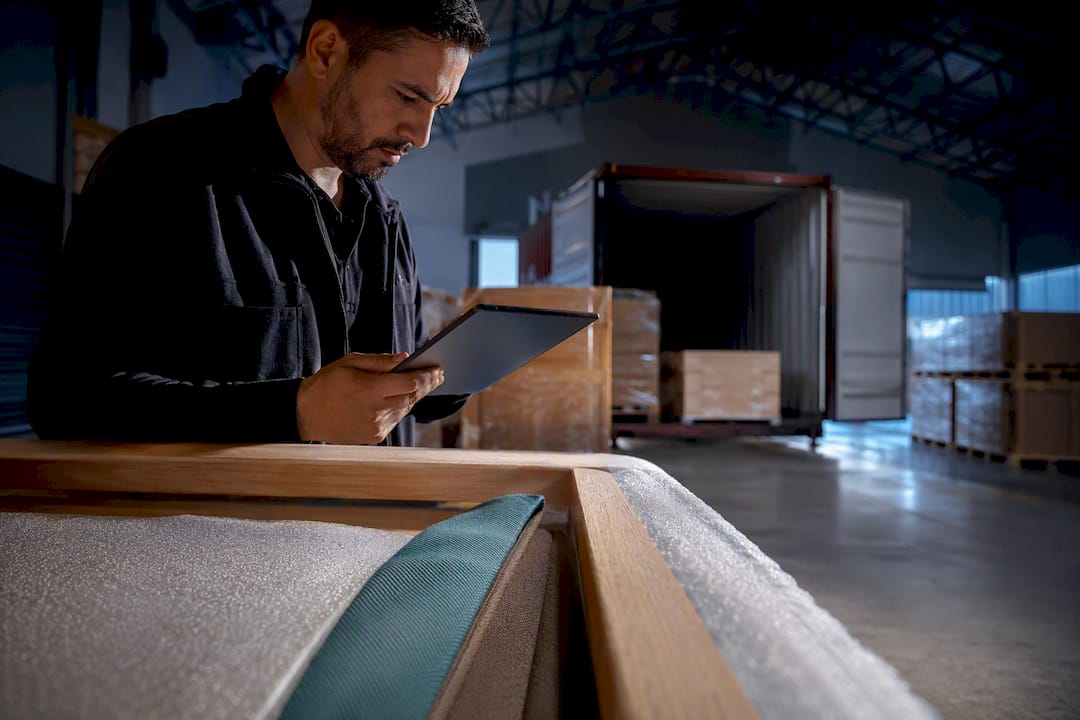
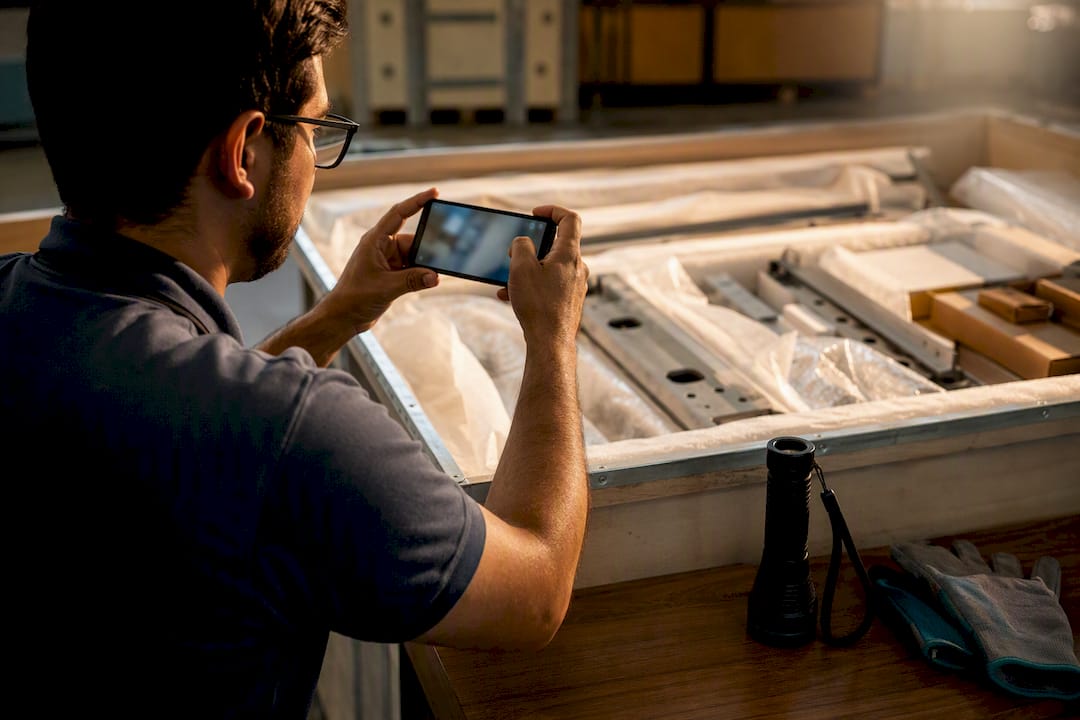
- Pre-shipment inspection: contracting a factory verification before the container departs reduces the risk of receiving defective batches.
- Customs clearance and local delivery: the customs agent releases the merchandise and coordinates transport to your studio.
In real-time, the production of a reformer order usually takes 30 to 60 days, sea freight takes an additional 25 to 45 days, and customs clearance in Mexico another 5 to 15 days if documentation is in order. Add it up, and you're talking about three to four months from payment until equipment installation.
Professional Tip: Never pay the final balance without having seen photos or video of the pre-shipment inspection. A supplier who refuses this is almost always hiding something in the batch.
How to Verify Quality and Avoid Fake Certificates
Before signing with any supplier, ask for written technical specifications: type of wood, steel gauge for hardware, weight capacity, spring system, and frame warranty. A serious supplier will have no problem detailing this.
- Request the certificate number and verify it directly with the issuing body, never just with the supplier.
- Be wary of certifications that you cannot independently confirm: if you cannot validate them with the certifying laboratory, treat them as invalid.
- Ask for samples or photos of previous batches delivered to other clients in Latin America.
- Check if the supplier offers localized spare parts or only shipments from the origin.
Key Fact: The availability of spare parts in Mexico, not in the country of manufacture, determines how many days your studio will be out of service due to a fault.
Pre-Payment Checklist: What to Ask the Supplier
Close any purchase, imported or local, with these verifications completed and in writing.
- Request a detailed quote: unit price, freight, insurance, and estimated door-to-door delivery time.
- Request the quality certificate and confirm its validity with the issuing body before making any advance payment.
- Demand pre-shipment inspection photos or video if the order comes from a foreign factory.
- Explicitly ask for a written warranty: duration, what it covers, and who backs it in Mexico.
- Check if there is local stock of critical spare parts (springs, pulleys, straps) before you need them.
- Compare financing conditions if cash payment is not feasible for your cash flow.
A guide on what equipment to buy first and how much to invest helps put this checklist into context depending on the size of your studio.
Pilates de México: Warranty, Certified Wood, and Real Support
Pilates de México offers high-quality reformer lines in the country. The equipment is designed for intensive use and durability in Pilates studios.
- Financing options and packages are offered to open or expand studios.
- Consulting is provided to size the studio before making an investment.
- After-sales support and local availability of spare parts are provided.
- There are also accessible options for those starting with a limited budget.
Direct import still makes sense for very specific pieces that no local distributor handles. For the main equipment in your studio, combining both routes rarely offsets the risk compared to buying with guaranteed after-sales support from the start.
List Price Never Tells the Whole Story
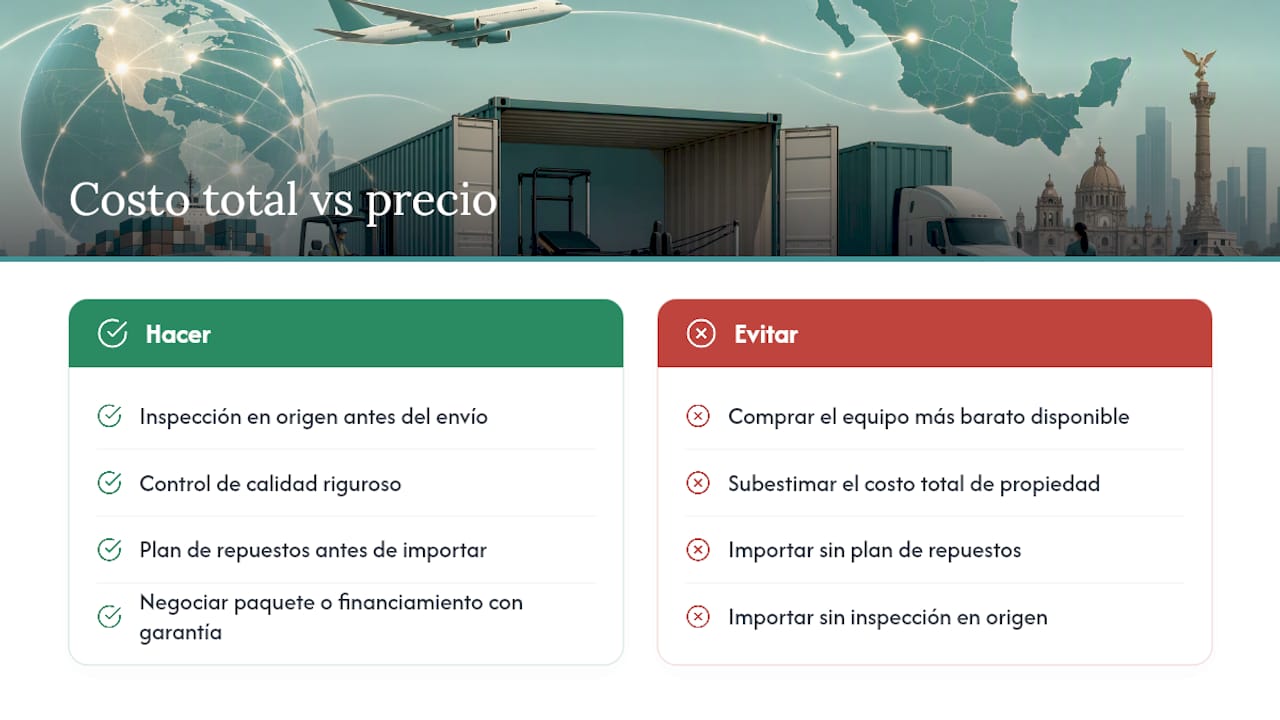
The most common mistake in this industry is not overpaying for a reformer. It's underestimating the total cost of ownership: the time a studio spends closed waiting for a spare part that comes from the other side of the world. For a studio with daily classes, every week without equipment is lost income, not just an inconvenience.
Importing on your own can work, but only with rigorous quality control, inspection at origin, and a clear spare parts plan before something breaks. If your budget is limited, don't solve it by buying the cheapest equipment available: solve it by negotiating a package or financing that allows you to start with a real warranty.
Start Your Studio with Equipment, Financing, and Consulting in One Place
It is advisable to consider local suppliers that offer support and logistics management for Pilates equipment.
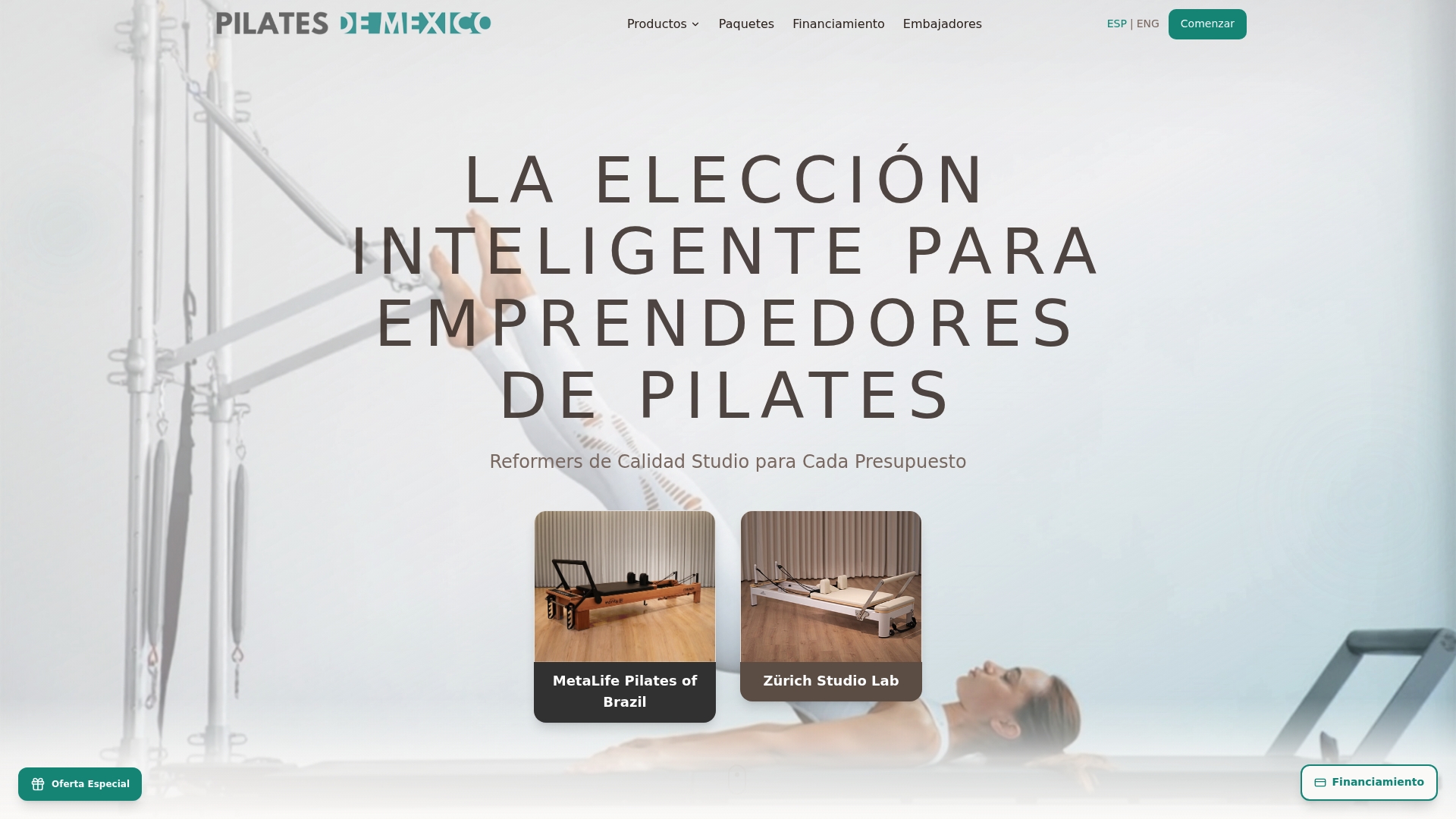
You can check out the Zürich Labs reformer for professional-level equipment, or explore the complete catalog of available lines if you are still comparing models. If cash payment is not your ideal route, review the financing conditions before committing capital to an import you don't fully control.
Sources
- Walmart Mexico (list of foldable reformers) — marketplace price reference
- Juancubells
- What is CCC? — China Certification
Frequently Asked Questions
How much does it cost to import a reformer to Mexico?
It depends on the model and volume, but to the factory price, you have to add between 20% and 40% for freight, insurance, tariffs, and VAT before it's installed.
Is it cheaper to import than to buy from a local distributor?
The unit price is usually lower when importing, but the savings are reduced or disappear if you consider warranty, spare parts, and the time your studio might be out of service.
How do I know if a certificate from a foreign supplier is valid?
Contact the certifying body directly that appears on the document; if you cannot confirm validity that way, treat the certificate as unreliable.
How long does the entire process of importing reformers take?
Between production, ocean freight, and customs clearance in Mexico, the complete process usually takes three to four months from the initial payment.
Does Pilates de México offer financing to equip a new studio?
Yes, Pilates de México offers direct financing and studio packages, as well as opening consultancy to size the room before purchasing.