After-Sales Support for Reformers: A Studio Guide

After-sales Support for Reformers: A Studio Guide
The best after-sales support for a reformer combines three non-negotiable factors: documented warranty with clear terms, a technical network with a local presence in Mexico, and spare parts available within short lead times. A supplier who fails on any of these three can leave your studio with an inoperative machine for days, and every day without a reformer means a canceled class and a lost client.
Before signing any order, ask for the warranty policy in PDF with its exclusions, confirm if there are technicians who can travel to your city, and ask how long it takes for a replacement spring to arrive from the nearest warehouse. These three questions will filter out 80% of problematic suppliers.
| Supplier Type | Typical Warranty | Warehouse in Mexico | Local Technicians | Recommended For |
|---|---|---|---|---|
| Distributor with warehouse in Mexico | 2–5 years structure | Yes | Generally yes | Medium to large studios |
| European distributor without local warehouse | 1–3 years structure | No (EU) | Occasional | Studios with low machine volume |
| International seller without local network | Variable, sometimes lifetime with conditions | No | No | Not recommended for intensive professional use |
Table of Contents
- How to quickly read the candidate list with a focus on after-sales?
- What should a reformer's after-sales service truly cover?
- Checklist to evaluate your reformer supplier
- What durations and exclusions are normal in Mexico?
- How much does it really cost to maintain a professional reformer?
- Why does proactive technical support reduce long-term costs?
- Comparison of main suppliers in Mexico
- What do studio owners say about after-sales support?
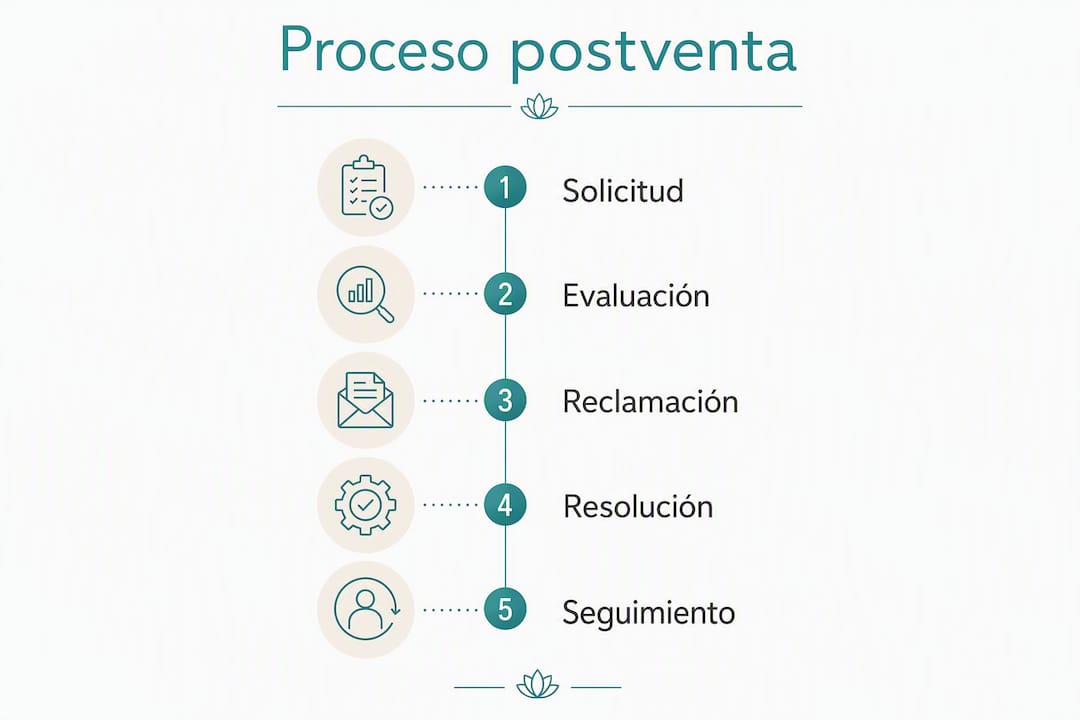
- How does the warranty claim process work?
- How long does it really take to resolve an incident?
- Can a reformer's warranty be extended or renewed?
- Does the supplier install the equipment and offer training?
- Key Points
- The after-sales support no one mentions on the product sheet
- Pilates de México: Equipment with support from day one
- Resources and links to verify warranty policies
How to quickly read the candidate list with a focus on after-sales?
Prioritizing suppliers doesn't have to be complex if you use the right criteria from the start. These are the ones that should carry the most weight:
- Documented Warranty: Demand the PDF with duration by component and list of exclusions before any commercial meeting.
- Spare Parts Warehouse in Mexico: Confirm the physical location, not just that they "distribute in Mexico."
- Own or Certified Technicians: Ask if on-site service is performed by own staff or outsourced, and in which cities.
- Shipping and Installation Policy: Verify if initial shipping and assembly are included or have an additional cost, and if their absence affects the warranty.
- Declared Response Time: Ask for the SLA in writing, not a verbal promise.
To request information effectively, send an email with three attached documents as a request: the warranty PDF, the list of spare parts available in Mexico, and the incident response SLA. Serious suppliers will have them ready; those who don't are a red flag.
Pro tip: Ask for an example of a resolved claim, with dates and problem description, before buying. A supplier with a real history of resolutions can show it to you without issue; one who cannot probably doesn't have the process in place.
What should a reformer's after-sales service really cover?
Professional after-sales service goes far beyond "call if something breaks." The components it should include are:
- Frame and chassis (wood, aluminum, or steel depending on model)
- Moving parts: carriage, rails, pulleys, and strap system
- Electronics, if the model includes them
- Labor for repairs covered by warranty
- Transportation of spare parts and, in serious cases, equipment pickup
- Initial assembly and setup
- Basic training for studio staff on preventive maintenance
What almost no warranty covers, and what you should understand before signing, are damages due to misuse, contact with liquids, unauthorized modifications, or lack of documented preventive maintenance. Transparency in warranty policy reduces misunderstandings throughout the equipment's lifespan, and the best providers publish their exclusions with concrete examples.
| Component | Covered by warranty | Not covered by warranty |
|---|---|---|
| Springs | Manufacturing defect | Wear from intensive use |
| Carriage and rails | Structural failure | Damage from impacts or falls |
| Upholstery | Stitching or material defect | Wear, stains, cuts |
| Straps | Breakage due to defect | Normal wear or improper adjustment |
| Frame | Cracks or factory deformations | Damage from improper transport |
Checklist for evaluating your reformer provider
These are the questions you should ask before committing to any provider, without exception:
- What is the warranty duration per component (frame, moving parts, electronics)?
- What is the SLA for responding to critical incidents (inoperable machine)?
- Do they have their own technicians in Mexico? In which cities or regions?
- How much does it cost and how long does it take to ship a replacement spring or strap?
- Is initial assembly included? Does it affect the warranty if a third party performs it?
- What is the procedure for initiating a claim and what documentation is needed?
- Do they offer warranty extensions or annual maintenance packages?
To verify credentials, ask for the warranty policy PDF, a local technical support phone number, references from at least two studios in Mexico that have used their after-sales service, and examples of preventive maintenance sheets. The product sheets of local distributors usually include this information in a structured way.
Red flags that should halt the purchase or open a negotiation:
- Warranty that excludes transportation of spare parts or charges the full cost to the customer
- Coverage conditioned on installation by a third party designated by the provider, without an alternative
- Absence of a spare parts warehouse in Europe
- Warranty policy only available in English or without a Spanish version
- Undocumented SLA or a response like "as soon as possible"
What durations and exclusions are normal in Mexico?
Typical durations in the Mexican market vary by component. For the frame, the standard for the professional range in Mexico is 3 to 5 years (Pilates de México offers a 3-year frame warranty), and some manufacturers offer a lifetime warranty with conditions. For moving parts and electronics, the usual range is 1 to 3 years. Wear and tear parts, such as springs, straps, and upholstery, typically have coverage from 90 days to 1 year for manufacturing defects, not for wear.
"Lifetime" warranties exist, but their fine print often invalidates them if there are unauthorized modifications, improper transport, or lack of documented preventive maintenance. Reading that fine print before signing is not optional.
The difference between warranty and preventive maintenance is critical for proper budgeting. The warranty covers manufacturing defects; maintenance covers rail cleaning, lubrication of sliding points, and checking spring tension, which are the owner's responsibility and, if omitted, can void coverage.
Professional tip: Always keep the delivery note, the signed warranty PDF, and photos of the equipment's condition upon receipt. If there is a visible defect upon unpacking, you typically have 48–72 hours to claim it; after that time, the provider may reject the incident as subsequent damage.
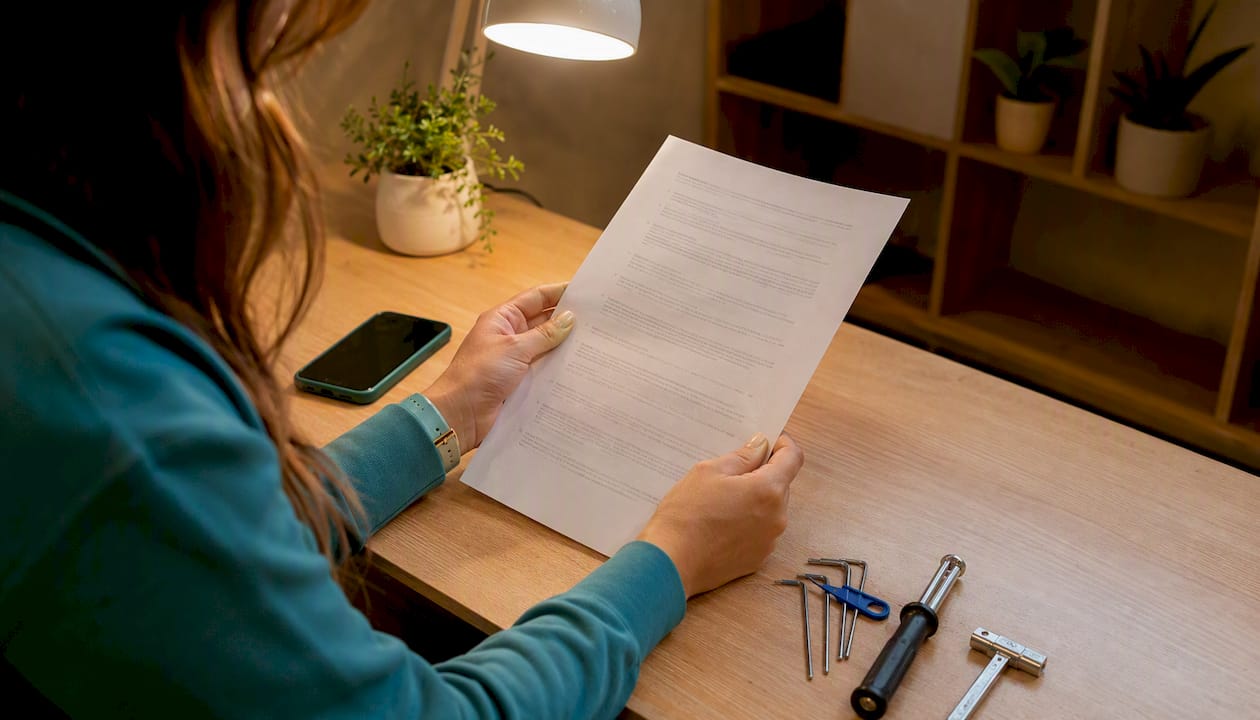
To initiate a claim, the recommended flow is: document the problem with photos and video, contact the provider in writing (email with order number), request a ticket number or incident reference, and save all communication. Never make repairs on your own before receiving written authorization from the provider, as this usually automatically voids the warranty.
How much does it really cost to maintain a professional reformer?
Wear and tear parts are a recurring expense that should be in your operating budget from the first year. Springs are the part that requires the most attention: in intensive professional use (several classes daily), experts recommend budgeting for their replacement approximately every two years to maintain biomechanical consistency. Straps and bearings have a similar lifespan under the same conditions. The carriage upholstery usually lasts longer, but it depends on the volume of use and the type of cleaning.
An estimated annual budget per piece of equipment for intensive professional use includes:
- Springs (full or partial set): $1,600–$3,000 MXN
- Straps and pulleys: $800–$1,600 MXN
- Bearings and minor parts: $600–$1,200 MXN
- Preventive technical visit (if not in package): $1,600–$3,000 MXN
- Lubricants and cleaning consumables: $400–$800 MXN
Key takeaway: Ignoring preventive maintenance costs in the initial budget is one of the most common mistakes when opening studios, leading to costly breakdowns that interrupt operations at the worst possible time.
Treating these expenses as unforeseen rather than fixed items is what turns a minor problem into an operational crisis. A studio with several reformers must budget a considerable annual amount for preventive maintenance, which depends on the intensity of use and the supplier's prices.
Why does proactive technical support reduce long-term costs?
Sending a complete reformer for repair involves special packaging, protected transport, and high logistics costs. A network of local technicians who replace modules on-site is the most efficient solution for studios with several machines because it reduces downtime from days to hours.
An annual maintenance package for a medium-sized studio (3–6 reformers) should include at least:
- Two annual preventive visits with a complete review of each piece of equipment
- Basic spare parts included (springs, straps, lubricants)
- Access to updated video tutorials and technical manuals
- Technical support channel with guaranteed response time
Estimated prices for this type of package in Mexico vary depending on the provider and the number of pieces of equipment, but negotiating maintenance as part of the purchase contract is usually more economical than contracting it afterward.
Pro tip: Contractually require that the maintenance package includes documented training for your team. An instructor who knows how to clean rails and detect incorrect spring tension prevents 60% of the most frequent incidents before they require technical intervention.
Comparison of main suppliers in Mexico
The three names that appear most frequently in professional Mexican studios are Balanced Body, MetaLife, and Merrithew (formerly Stott Pilates), each with a different support profile.
Balanced Body operates in Mexico through authorized distributors and offers technical service with included consulting, which means the supplier also acts as a technical advisor and not just a spare parts provider. Its network in Mexico is variable depending on the region, so it is advisable to confirm coverage before purchasing.
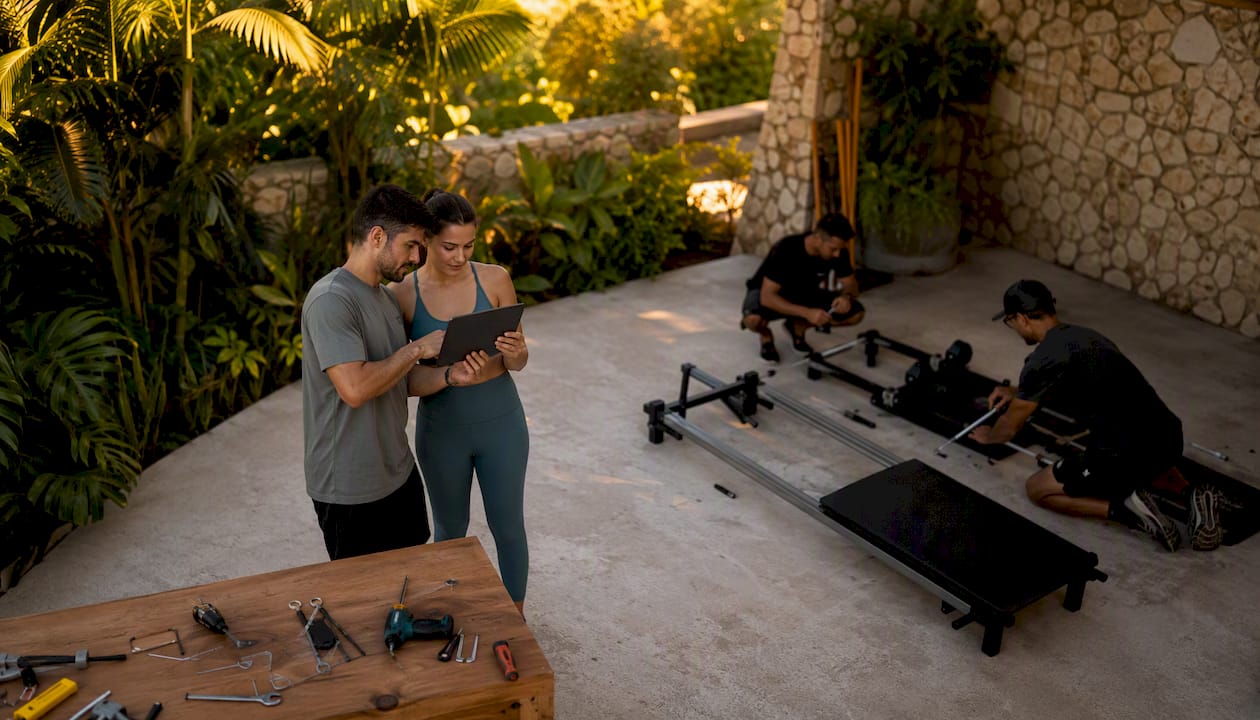
MetaLife (through Pilates de México) is built for commercial use and distributed in Mexico with local stock, in-country spare parts, in-house technicians and a 3-year frame warranty, which removes import lead times from any repair.
Merrithew has no direct network in Mexico; support depends on the distributor or importer you choose, which makes the experience highly variable. Before buying, confirm in writing who covers your city, what SLA they offer and where spare-part stock is held.
| Supplier | Frame Warranty | Warehouse in Mexico | Local Technicians | Training Resources |
|---|---|---|---|---|
| Balanced Body | 2–5 years (distributor) | Variable by region | Yes (distributor network) | Manuals and consulting |
| MetaLife | Depending on model | Yes (manufacturer in Mexico) | Yes | Technical sheets |
| Merrithew | Depending on distributor | No (EU) | Depending on distributor | Manuals and videos |
What do studio owners say about after-sales support?
Consistent patterns appearing in opinions from studio owners in Mexico point to three recurring problems: longer-than-promised wait times for spare parts, lack of available technicians outside major cities, and warranties that in practice cover less than what the salesperson explained.
Studies reporting a better experience share a common denominator: they negotiated the SLA in writing before purchasing and chose suppliers with a physical warehouse in Mexico. Those who had worse experiences bought based on price or verbal support promises.
Customer service in Pilates, when it works well, is noticeable in the speed of response to the first contact. A supplier who takes more than 48 hours to respond to a technical query before the sale will likely take longer afterward.
How does the warranty claim process work?
The standard procedure for processing a warranty repair in Mexico follows these steps:
- Document the defect with photos and video at the time of discovery.
- Contact the supplier in writing (email) with the order number, problem description, and visual attachments.
- Await confirmation of receipt and incident ticket number.
- Receive diagnosis: the supplier determines if the defect is covered by warranty or not, and within what timeframe.
- Agree on the solution: shipment of a replacement part, technical visit, or equipment pickup.
- Retain all written communication until the incident is closed and the equipment is working correctly.
Including clauses in the purchase contract regarding maximum response times, escalation procedures, and conditions for on-site work significantly reduces disputes and shortens resolution times. To better understand the supplier's legal obligations in Mexico, Managgio's legal notice provides context on the differences between warranty and contractual obligations.
How long does it really take to resolve an incident?
Resolution times vary greatly depending on the type of incident and the supplier. For a standard wear part (spring, strap), a supplier with a warehouse in Mexico can resolve it in 3–7 business days. For a structural breakdown requiring a technical visit, the usual period ranges from 5 to 15 business days depending on technician availability and the region.
The most problematic cases involve parts that are not in stock in Mexico and must be imported. In these scenarios, lead times can extend to 4–8 weeks, which can be critical for a studio with few machines. Therefore, before purchasing, it's advisable to ask what parts the supplier keeps in permanent stock in Mexico and which ones are ordered on demand.
A practical example: a studio with six reformers that loses a machine for three weeks due to a lack of local spare parts can lose between 15 and 25 classes, depending on its schedule. This operational cost often outweighs the initial savings from choosing a cheaper supplier.
Can a reformer's warranty be extended or renewed?
Some suppliers offer warranty extensions as part of annual maintenance packages or as a standalone product. The extension usually covers the same components as the original warranty, with the same exclusions, and its price depends on the model and the number of additional years.
For an extension to be valid, the equipment must generally be in good condition at the time of renewal, with preventive maintenance up-to-date and no unauthorized modifications. Some manufacturers require a prior technical review as a condition for extending coverage.
If the supplier does not offer a formal extension, an alternative is to negotiate an annual maintenance contract that includes labor and basic spare parts, which in practice offers similar protection. Pilates de México's studio packages include financing options and added services that allow for structuring these types of agreements from the outset.
Does the supplier install the equipment and offer training?
Installation and setup is a point many buyers overlook until the reformer arrives in boxes. Some models arrive semi-assembled and only require final adjustments; others need full professional assembly, and performing it without the supplier can void the warranty.
Before purchasing, confirm:
- If assembly is included in the price or has an additional cost
- If the supplier sends a technician or if the assembly is done by the carrier
- If initial training is available for the studio staff on correct use and basic maintenance
- If video tutorials or manuals are available in Spanish
A supplier who acts as a technical consultant, offering training, video tutorials, and maintenance checklists, reduces failures due to misuse and improves equipment longevity. This technical consulting is part of the after-sales service, not an optional extra.
Key points
The best after-sales service for a professional reformer in Mexico combines a documented warranty, a local spare parts warehouse, and technicians capable of on-site intervention, because these three factors directly determine the operational continuity of the studio.
| Point | Details |
|---|---|
| Documented Warranty | Demand the PDF with exclusions before buying; verbal promises are worthless in a claim. |
| Warehouse in Mexico | Confirm the physical location of stock; without a local warehouse, spare part delivery times can exceed 4 weeks. |
| Written SLA | A stated response time in the contract is the difference between 3 days and 3 weeks of downtime. |
| Maintenance Budget | Plan a substantial annual budget per equipment for preventive maintenance in intensive professional use. |
| Pilates de México | Offers reformers with financing, studio packages, and consulting for studios that need support from day one. |
After-Sales Support That No One Mentions in the Product Sheet
There's an aspect of after-sales service that catalogs don't show: the difference between what the supplier promises before the sale and what they deliver when something goes wrong. That gap is where a studio owner's trust is lost or gained.
What strikes me most, when reviewing how professional studios operate in Mexico, is that most serious problems don't come from defective equipment. They come from owners who bought without asking for the warranty PDF, without confirming if there were technicians in their city, and without budgeting for preventive maintenance. The equipment failed predictably, but no one had anticipated it.
After-sales support is not an insurance against bad luck. It's the structure that turns a technical problem into an incident resolved in three days, instead of a crisis that cancels two weeks of classes. Choosing a supplier by price without evaluating that support is, in practice, assuming an operational risk that isn't on any spreadsheet.
Pilates de México: Equipment with Support from Day One
When a studio in Mexico needs reformers with clear warranty, accessible financing, and a team that answers technical questions before and after purchase, Pilates de México is the direct choice. The MetaLife line, built with certified Lyptus® FAS wood and stainless steel hardware, is designed to withstand years of daily classes without compromising the structure.
Every purchase includes opening consulting, packages adapted to the studio size, and equipment financing options that allow maintenance to be structured as part of the payment plan from the start. For studios already operating and looking to expand, studio packages include volume discounts and added services. Request your quote at pilatesdemexico.com/es and receive a proposal with technical specifications, warranty conditions, and support options.
Resources and Links to Verify Warranty Policies
Before closing any purchase, these resources help you verify information and request documentation:
- Product sheets with specifications and local contact: request the warranty PDF and the list of available spare parts directly from the sheet.
- Studio packages and financing: to get a quote that includes maintenance and support as part of the agreement.
- Available Accessories and Spare Parts: check the catalog of wear parts before purchasing to confirm local availability.
- MetaLife — reformers manufactured in Mexico: download technical sheets and verify shipping conditions and local contact.
- Technical guide on what to look for in a reformer: practical reference for evaluating structural integrity and maintenance criteria.
Recommendation
- Studio Packages — Pilates de México
- Zürich Labs Reformers — Pilates de México
- Infinity Reformer with Tower — MetaLife
- Advanced Reformer — MetaLife Pilates
Why studios across Mexico equip with Pilates de México
- MetaLife reformers — our flagship line: manufactured in Brazil from Brazilian hardwood and the number one selling Pilates Equipment brand in all of South America, featured in over 40,000 studios. Pilates de México is the exclusive distributor of MetaLife in Mexico: local stock, local technicians and a 3-year frame warranty.
- Advanced and Infinity Reformers by MetaLife — the two MetaLife lines most studios in Mexico choose, with towers, accessories and studio-grade upholstery.
- Zürich Labs — our accessible alternative when the budget is tighter.
- Studio packages — complete studio setups, with discounts on packages of 5+ reformers.
- Financing — equipment financing so your opening budget goes further.
- Certifications and workshops — instructor training and continuing education.
We own and operate studios throughout Mexico, so the advice comes from operators, not resellers. Request a quote.